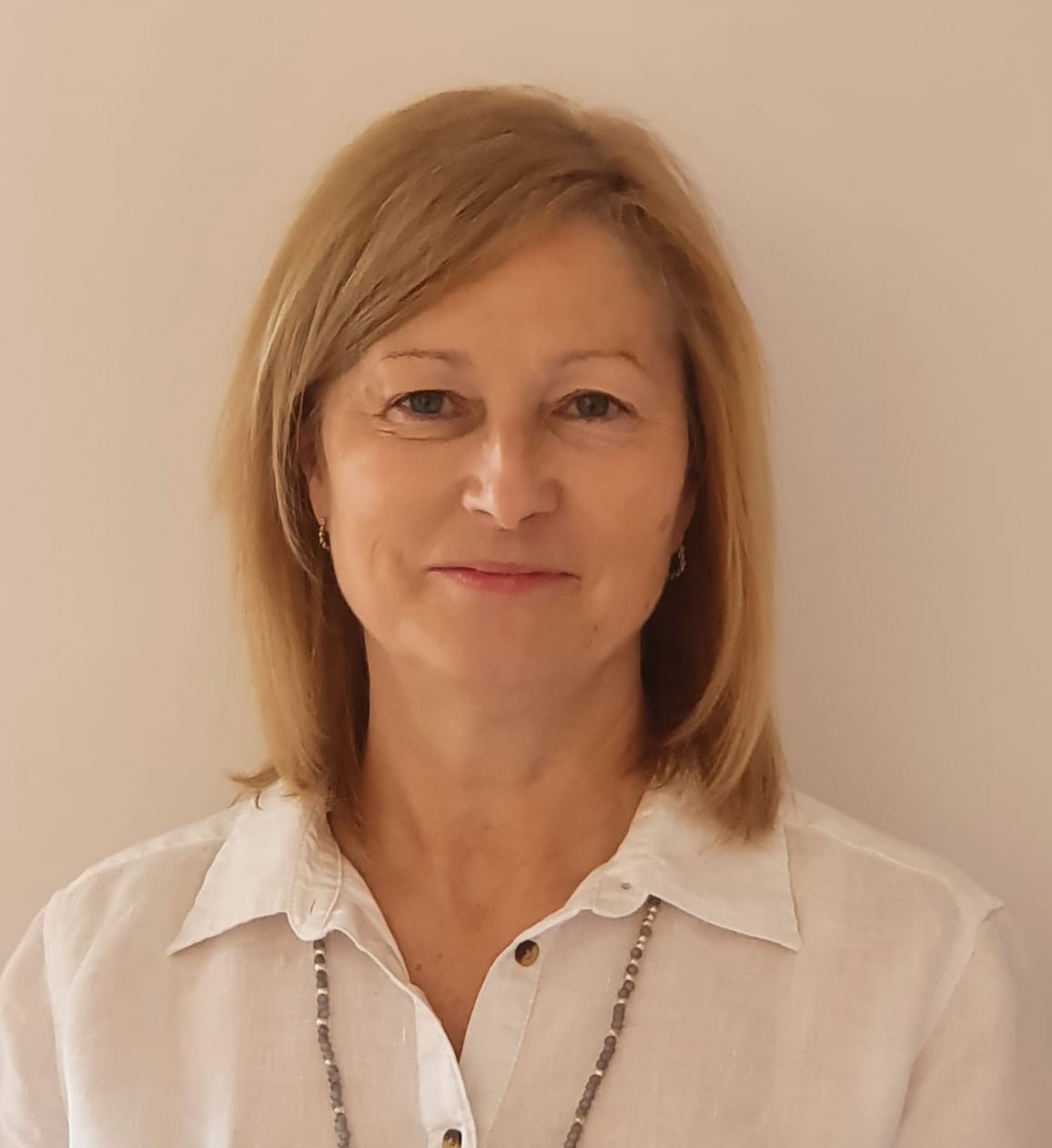
We speak to Lynn Hannon, a learning disability and autism specialist nurse who works as an Expert Witness on quantum care assessments, loss of service claims, and Court of Protection cases. Here, she tells us how she found her way into the role, what keeps her motivated, and the advice she would give to anyone considering the same path.
I became an Expert Witness almost entirely by accident.
My background is nursing – learning disability and autism – and I spent 35 years in the NHS, including managing specialist community nursing teams and complex care packages. When I left, I was supposed to be semi-retiring, but one thing led to another.
I was already working independently as a Best Interest Assessor under the Deprivation of Liberty Safeguards, and through that work, someone asked me to write a report for the Court of Protection. Then I got into case management, and the Experts who came to assess my clients kept telling me: you should be doing this. Eventually I looked into it, and here I am.
The Expert Witness role is a natural fit.
Being an Expert Witness genuinely feels like all the different roles I have ever done – clinical practice, nursing, management, safeguarding – aligning together at once.
My work is primarily quantum – care assessments, care, and equipment.
I work with both children and adults. I'm also recognised as a specialist in loss of service claims, and I take on Court of Protection best interest decisions, continuing healthcare appeals, and fitness to practice work.
My caseload spans people with learning disabilities and autism, complex care packages, mental capacity issues – and stoma care, which is something of a niche for me. I was genuinely surprised by how many people acquire a stoma as a result of clinical negligence.
As a new Expert, joining an established company was one of the best decisions I made.
 I joined Some & Associates, an Expert Witness consultancy. It meant that cases were already waiting for me from day one. They gave me proper training, explained the Civil Procedure Rules, and told me what was expected.
It was a very steep learning curve regardless – I was a highly experienced nurse and senior manager, and I was still coming into Expert Witness work as a complete novice. Having an established company in the background meant there was quality control, administrative support, peer support, and someone to ask: have I covered this?
My report writing style has developed over time.
When you’re a new Expert Witness, you have the clinical knowledge – you couldn't do the job without it – but the way of working as an Expert is something you grow into. I have genuinely learned as much in the last 15 years as an Expert as I did in 35 years of clinical practice, albeit in a different, more refined way.
What keeps me going is that every single case is different.
I might have done a hundred loss of service cases, but each one is completely unique. Every family is different. Every situation is different. And beyond that, I love meeting people. Even in very difficult circumstances, there's a real human element to this work that I find deeply meaningful.
I always acknowledge the elephant in the room.
Whenever I go to see someone, I make a point of getting it straight out there: I am here because something really bad has happened to you. In the early days that felt a bit daunting, but now it's just how I work. People need to know you understand that. You're there as an independent person, trying to help with some kind of resolution.
A case that will always stay with me involved a woman with terminal cancer.
She had been going to her GP week after week with symptoms that were dismissed and treated with painkillers. By the time the cancer was identified, it was too advanced to treat. I sat with her knowing she had months left to live. She had a young daughter. The way she dealt with that situation was remarkable.
I've come away from cases and cried. But I think it also sharpens my own practice – I look at the nursing records, see where things weren't written down, and make sure that would never happen in my own work.
My instructions are a mix of claimant and defendant.
It's probably around 65/35 in favour of claimants. I also take on some Single Joint Expert appointments. But my approach doesn't change depending on who has instructed me.
Total independence is non-negotiable.
When I meet someone for the first time – especially if it's a defendant instruction and there's a little natural hesitation – I tell them: I would be asking you exactly the same questions whichever side had instructed me.
I have given evidence in court, and it is as daunting as people imagine.
The most notable case was Witham v Hill, which became something of a landmark judgment in loss of service claims and is widely cited. We were at the Royal Courts of Justice – not exactly a humble setting.
The most important thing is preparation. In court, you have to know your own report and your counterpart's report inside and out, along with every document you've ever been sent, and to understand the case from all sides. Some people do have a very difficult time with cross-examination, but thankfully I have not had that experience.
The shift to online documents has been transformative.
When I started, medical records arrived physically – I've had deliveries of 20 large boxes of ring-binder files! Case conferences have changed too: before COVID, you'd have a dozen people travelling from all corners of the UK to sit in a room for two or three hours, then travel home again. Now the majority of conferences are done by video, and it works perfectly well. The main exception tends to be the final pre-court conference, which usually remains in person.
I still do clinical work, and I think it's essential.
I'm still a case manager, though I've wound my caseload down to one person – who happens to be my very first case management client, someone I've been working with for 15 years.
I'm still a Best Interest Assessor, and I still do CQC inspection work. You have to keep up to date with current practice and regulations. If you're not practising, how can you call yourself an Expert?
I'd also say that experience as a case manager is genuinely valuable for any Expert working on care cases – it gives you a much better understanding of how care and rehabilitation packages are actually set up and costed.
My biggest piece of advice: never act outside your area of expertise.
It sounds obvious, but it matters enormously. If someone starts aggressively questioning you on the boundaries of your expertise, you will soon come apart if you've strayed outside them.
Always be totally honest and unbiased.
Write your reports as though you are the reader – does the opinion come across clearly? Is it easy to understand? Don't try to dazzle people with jargon. And manage your deadlines carefully. Cases can go on for years; you need to keep that whole pipeline in view before you take on new instructions.
For a long time, I had massive impostor syndrome.
I couldn't understand why people were placing so much value on what I was saying. But you have to get over yourself. They want your opinion. You are the Expert – literally. It took a bit of getting used to, but now I wouldn't have it any other way.
Solicitors have occasionally tried to influence my opinion.
In the early days, that pressure was harder to manage. Now I shut it down immediately. I'm established in the role, and they know where I stand. And I've since provided training to groups of solicitors on aspects of loss of service law.
My advice to any nurse or healthcare professional considering becoming an Expert Witness?
Go for it. It is challenging and interesting work, and people genuinely appreciate your knowledge and expertise. I've had people hug me, cry, tell me it's the most significant thing that has ever happened in their lives. That's how much it matters.