The EWI held the annual Scottish Medicolegal Conference at the Grand Central Hotel in Glasgow on 18 September. The event featured great speakers and panels and lots of interaction with the audience of expert witnesses and legal professionals. We would like to thank all of the speakers and panellists, our main event Sponsor, Thompsons Solicitors Scotland, our Associate Sponsor, Resolve Medicolegal, and Refreshment Sponsor, expert geniePro.
Lord Arthurson - Keynote: A View from the Bench
Lord Arthurson’s keynote speech commenced and completed with essential viewing for expert witnesses, the film Pressure, the story of the Scottish meteorologist who advised Eisenhower to delay the Normandy invasion from the 5th to the 6th of January. He typified the good qualities of an expert, retaining independence and clarity of thought, communicating effectively, and demonstrating moral courage.
Lord Arthurson spoke about the history of expert evidence, from the expert questioners of the pilots of foundered ships in the Court of Justinian to a more recently distressed ship, the Ikarian Reefer, a judgment which set out the key principles for the admissibility of expert evidence in the UK. You can read those principles here.
After discussing the key cases that followed the Ikarian Reefer in England and Wales, and Scotland, and the key aspects of expert evidence in the criminal court, his Lordship concluded his keynote speech by paying tribute to the experts who practise in the courts in Scotland for their real and substantive service to the administration of justice.
 Session 1 - Behind the Report: How Psychologists Assess, Diagnose and Form Opinions
Clinical Psychologists Dr Lisa Gadon and Dr Michelle O’Shea of Harris Psychology presented a fascinating first session on how psychologists assess, diagnose and form opinions. The session provided an invaluable insight into the journey of a clinical psychologist’s PI report from instruction to opinion.
The presentation started with a look at the considerations psychologists take into account before meeting the client, including how to put trauma-informed principles into practice and be compassionate without losing objectivity. They described how the assessment is conducted, and information gathered from a range of sources, including the client account, medical records and other reports, and psychometrics. The presentation explained how information is turned into opinion with formulation, diagnosis, prognosis and treatment recommendation, before concluding with a discussion of limitations and inconsistencies such as the reliability of self-reporting, limited or incomplete records and pre-existing mental health difficulties.
Session 2 - Acceleration vs. Exacerbation: Panel session
Consultant Trauma and Orthopaedic Surgeon, Robert Carter, chaired a brilliant panel discussion on acceleration vs. exacerbation by Consultant Orthopaedic Surgeon, Amit Putti, Consultant Clinical Psychologist, Professor Craig White, and Solicitor, Seonaid Brophy.
The discussion looked at acceleration vs. exacerbation from the perspective of the orthopaedic surgeon, including how the orthopaedic surgeon forms their opinion, accounts for the range of opinion, avoids the practical pitfalls, and writes a report that focusses on what the solicitor needs. Professor White added psychological factors to the discussion, such as how the psychological injuries can continue after the physical ones have healed and how the prior risk of psychopathology can change what the injury becomes. Seonaid Brophy spoke to legal causation, what the legal team is looking for, the balance of probabilities, and the “but for” test.
A lively and engaging discussion with the audience followed the panel discussion.
Session 3 - Getting it Right Early: The Expert’s Role in High-Value Serious Injury Claims
In the third session, Robert Cranston, Parter at Thompsons Scotland, presented on the expert’s role in high-value serious injury claims, focussing on early engagement, joint meeting and instruction, and a trauma informed approach. Robert talked about what a trauma-informed approach asks from the experts and discussed practical steps which medical experts can take to minimise the trauma for the claimant, such as building rapport, setting expectations, and offering breaks and providing clarifications.
Robert discussed the importance of early engagement of experts, with the benefits of potential early settlement and supporting the claimant’s medical needs and an earlier return to work, and risks of delays where there isn’t early engagement. He looked at the role of joint meetings and some of the common mistakes that experts make in preparing for and conducting joint meetings.
Session 4 - AI and Expert Evidence
Richard Marshall gave excellent presentation on the important and topical issue of AI and Expert Evidence. Richard’s accessible approach to this complicated subject made his presentation as fascinating as it was enlightening. After providing a brief history of AI, he provided a clear explanation of how both standard and agentic AI works, and talked through some of the risk associated with using AI.
He then focussed on the use of AI tools in expert witness practice, noting the areas where AI excels in medical uses, as well as where its use can lead to negative outcomes. He discussed some of the key challenges of using AI tools effectively, including data protection and writing good prompts, before looking at some of the particular hazards of using AI such as hallucinations/mistakes, not understanding timelines, and not having access to specialist knowledge.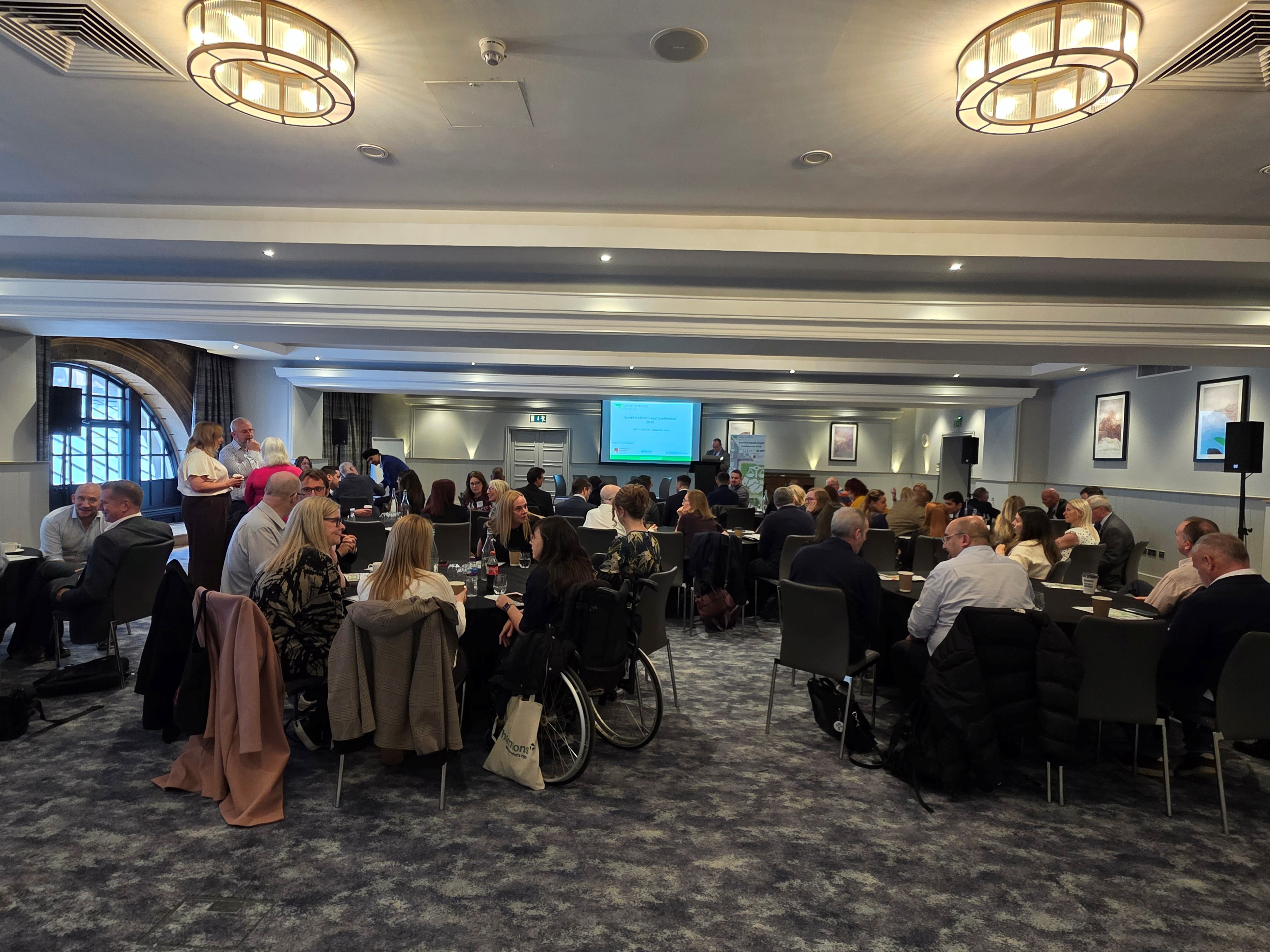
He concluded with a look at what is next with AI, including an intriguing conundrum on how to bill for AI accelerated work.
Session 5 - Working better together
In the last session of the day, attendees broke up into small groups to discuss the relationship between solicitors and experts, responding to three specific prompts:
- What is one thing that goes wrong in the solicitor-expert relationship, and why?
- What does a solicitor need from the expert witness that they don’t always get, and conversely what does the expert need from the solicitor that they don’t always get?
- If you could change one thing about how instructions and communications happen between solicitors and experts, what would it be?
The groups fed back the results of their discussions, with key themes including the importance of good communication and timely responses, the value of solicitors and experts understanding each other’s perspectives, variable standards in letters of instruction, the need for solicitors to describe the scope of the work correctly when asking experts for quotes, and experts being asked only to consider a subset of case notes.