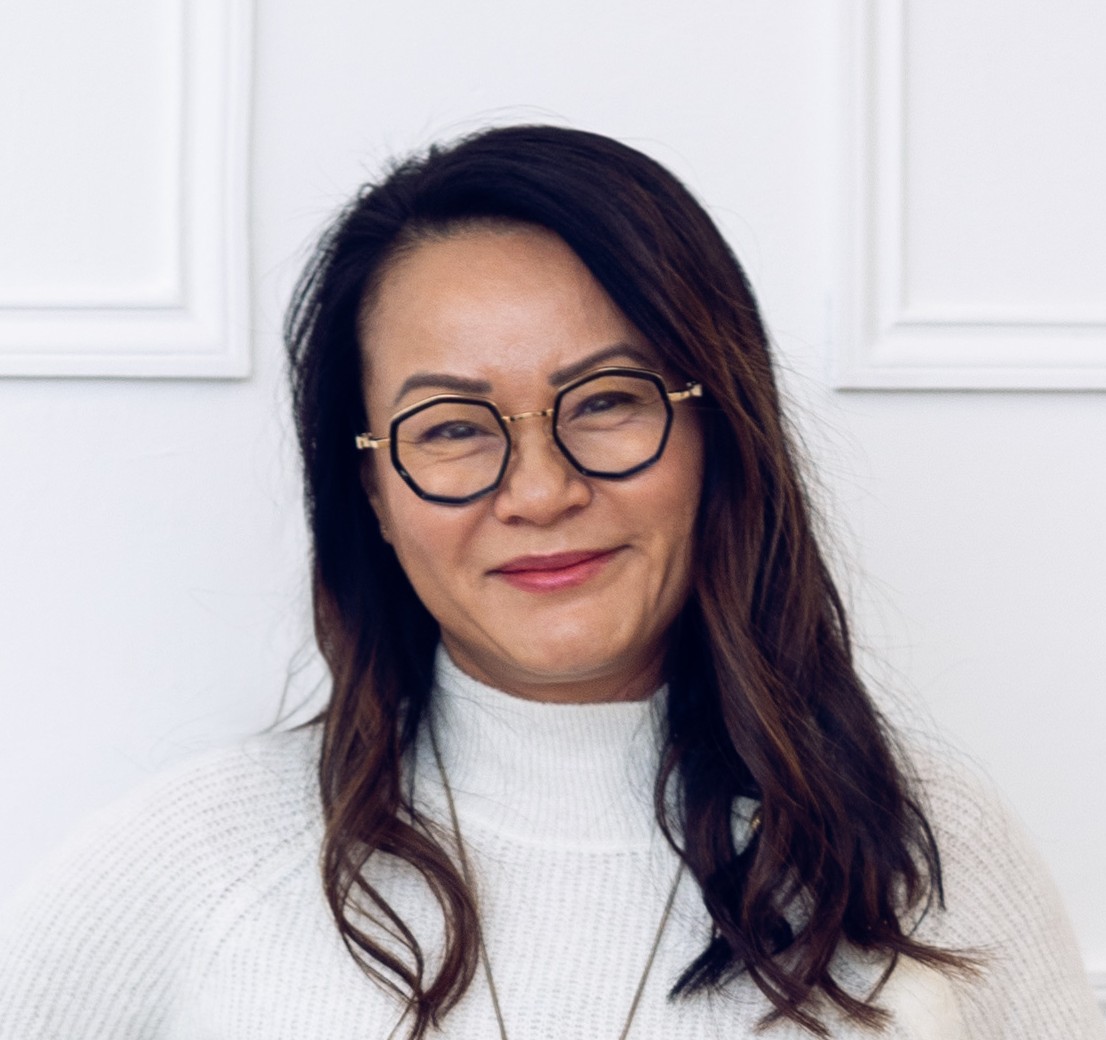
Marisa Shek is a Healthcare Architect and owner of Shek Architects. As an Expert Witness, she specialises in the field of accommodation for disabled people in personal injury and clinical negligence litigation. Here, she tells us how she became an Expert Witness and why her work continues to inspire her.
I’ve dedicated my career to the healthcare sector.
I'm an architect by trade and have been for 24 years now, specialising in healthcare architecture. I worked on projects — big and small — like remodelling accessible homes and designing hospitals, including the Royal London Hospital in Whitechapel.
I love being in healthcare because it’s about making things work for people, serving the public, and working with caregivers to understand their workflows.
I really enjoy interaction with people.
I learned quickly that architecture is not just about buildings: it’s about understanding the people who occupy them and solving people's problems through the built environment.
 About 13 years ago, I hit a career crossroad.
I wondered what else I could do with my architecture background. By chance, a prominent Accommodation Expert Witness, David Cowan, contacted me and asked if I would be interested in Expert Witness work.
My initial reaction was abject horror! It sounded too far outside my comfort zone. Plus, I thought it would be isolating and not about working with people.
Now that I've been in Expert Witness work for 12 years, I can categorically say that I have met more people with needs than I ever did in my earlier architectural career designing hospitals.
I interpret health care needs into an architectural solution.
As an Expert Witness, I work on clinical negligence and personal injury cases advising on accommodation needs. I’ve reported for people with conditions such as spinal injuries, limb amputations, cerebral palsy, stroke, and injuries from road traffic accidents. Each case is unique and each solution is tailored to a very specific combination of needs.
Expert Witness work has ended up ticking more boxes than I ever imagined.
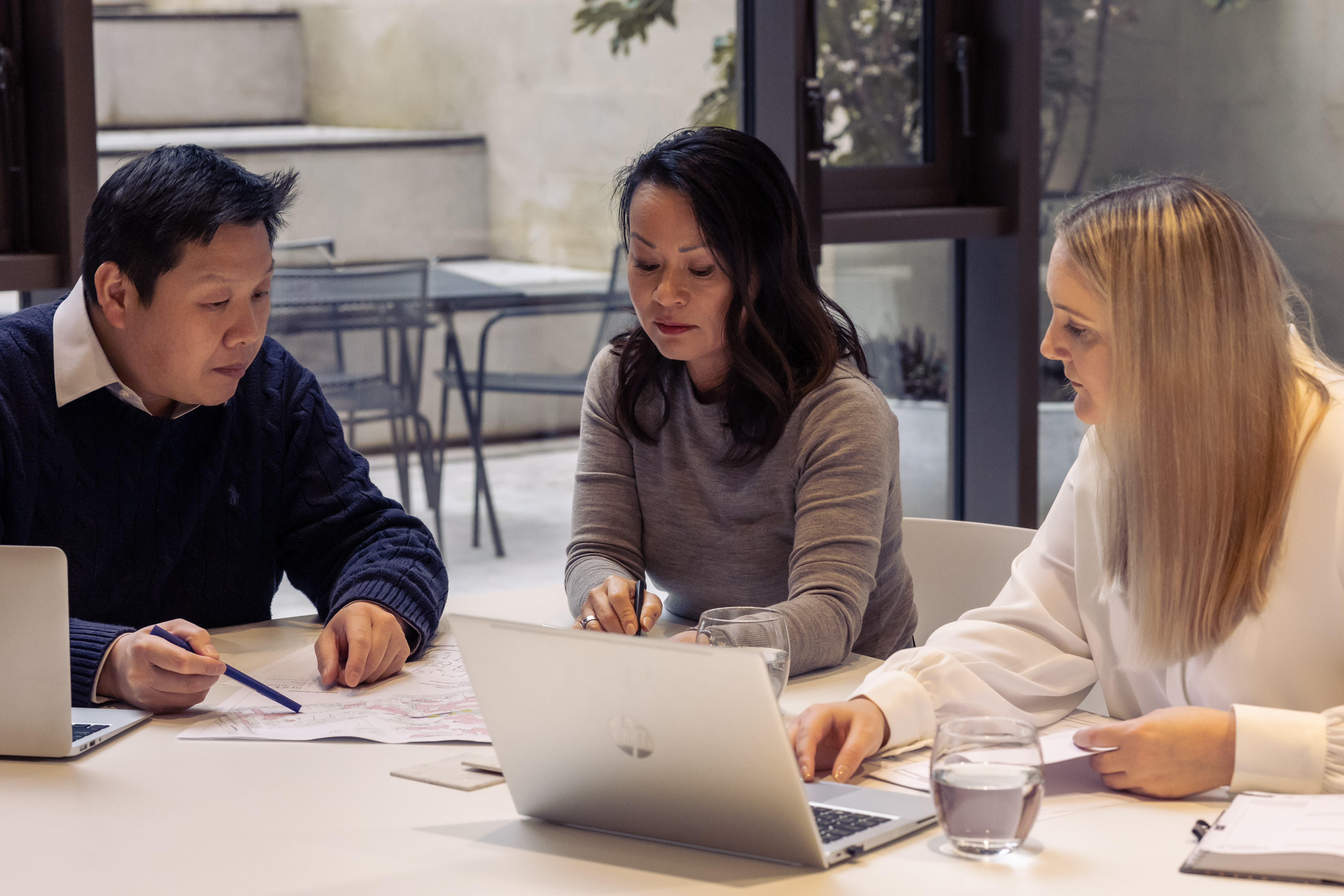
I'm dealing with people face to face. I might be interviewing claimants to get an understanding of the problems they face in their homes, or I could be house hunting for a client with a very particular set of requirements. It's real-life, intimate stuff and I feel so privileged to be part of the process.
Most Expert Witnesses I know have got into it by accident!
That’s likely because you do need to find your trade and develop a specialism first: you need to become an expert in something. In all vocations, this takes time. It’s usually later in our career that we find ourselves probing the outer reaches of our professions to see what else is out there.
I set up my own Expert Witness practice 5 years ago.
The legal world is very tight-knit. Once solicitors know you and trust you, they can be very loyal. Having said that, you’re only as good as your last report. Thankfully, instructions continue to come in and I've not looked back.
The cases I get involved in tend to be quite high value.
If it is decided that an Accommodation Expert is required on a case, the claim is - by nature - of high value due to the level of injuries and disabilities presented by the claimant.
By the time I am instructed, it may have already been accepted that the claimant’s current home - which could be in a block of flats - is unsuitable, so a relocation is required.
Together with my recommendation of an alternative home, equipment needs like hoisting may need to be considered, along with space for carers to stay overnight.
All these elements inform the cost, type and size of the future house. Stemming from this, there will be higher running and maintenance costs that will need to be factored in.
 I don't pick and choose whether I’m instructed by the legal team acting for a claimant or a defendant.
It's really important as an Expert Witness to be even handed and I’m happy to receive instructions from both sides. If I’m asked by both parties for the same case, I’ll work with whoever approached me first. Occasionally I’m instructed as a single joint expert, but that’s quite rare in accommodation cases.
There is a clear trend for cases to settle out of court.
I think the attraction to settle is much higher than going to court, because of all the expense, time and emotions involved in prolonged litigation.
However, in the witness box, the Expert’s role remains the same: our overriding duty is to the court.
To prepare for a case, I make sure that I master my report and the supporting material so that I am able to defend my methodology under examination.
While sticking to your opinion is important, an Expert should also be open minded when presented with new evidence in the witness box. The key is gaining a thorough understanding of all sides of an argument.
The main challenge for an Expert Witness running their own business is saying no to work.
You’re instructed because of the quality of your work. If you end up taking too much on, there’s the danger that the quality gets diluted. I knew I had to draw a line and the key was figuring out the position of that line.
Something that took my breath away….
…was when I was approached by a claimant after settlement. I had been instructed by the defendant, but the claimant tracked me down following her compensation award and asked whether I would design her house.
She lost her leg due to clinical failures and became a wheelchair user. I worked with her to help her choose the right house and to adapt it to suit her needs.
She later revealed that she wanted to work with me because she felt I understood what the issues were. That was a big endorsement for me, because it showed that as well as being knowledgeable in my field, I was also fair in my reporting and that came across to her.
The lack of accessible environments is a barrier to a diverse society.
Architecture school taught me that it is not physical impairments that disable a person, but the obstacles created by the lack of accessible considerations in our built environments.
Architects have a fundamental role in applying thoughtful design to include people of all abilities. For me, it is not just about compliance. Sometimes, accessibility means going beyond minimum requirements.
I’m proud to contribute to advancing a more diverse society as an architect and Expert Witness.